Carbide Porting Tools
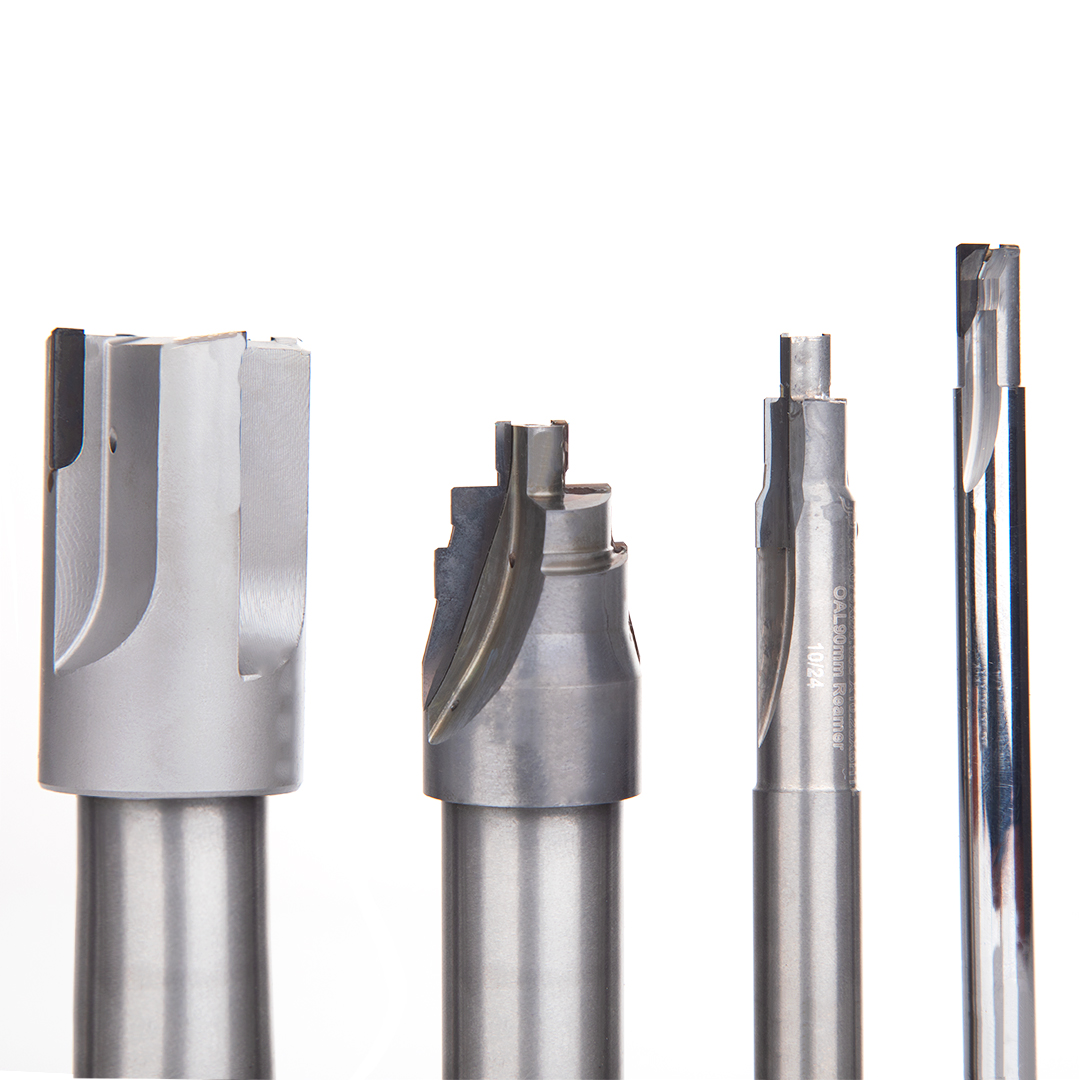
Manufacturing capabilities for your custom or standard carbide porting tools: Solid Carbide or Brazed Tipped Multiple flute options Helical or straight flute Standard SAE or specials Solid or coolant through Coated to maximize performance
Order NowFor Customization
Product Details
Carbide
Porting Tools – Product Overview
Carbide Porting Tools are specialized cutting tools designed for precision
machining of ports and cavities in various components, particularly in the
automotive and aerospace industries. These tools are engineered to remove
material efficiently while maintaining tight tolerances and high surface
finishes.
Key
Features:
- Material Composition:
Manufactured from solid carbide, offering exceptional hardness and wear
resistance.
- Design Variations:
Available in various shapes and sizes, including round, tree, and flame
shapes, to suit different porting applications.
- Coatings:
Some tools come with coatings like AlTiN to enhance durability and reduce
wear.
- Applications:
Ideal for machining materials such as aluminum, cast iron, and steel,
commonly used in cylinder heads, manifolds, and hydraulic components.
- Advantages:
- High material removal rates.
- Long tool life.
- Excellent surface finish quality.
- Reduced risk of tool deflection and chatter.
❓ 10 Frequently Asked Questions (FAQs)
- What are Carbide Porting Tools used for?
- They are used for precision machining of ports and
cavities in components like cylinder heads and manifolds.
- Suitable for materials such as aluminum, cast iron,
and steel.
- How do I choose the right tool for my application?
- Consider factors like material type, desired surface
finish, and tool geometry.
- Can these tools be used for both roughing and finishing
operations?
- Yes, depending on the tool geometry and coating, they
can be used for both roughing and finishing.
- What is the typical tool life of Carbide Porting Tools?
- Tool life varies based on material, cutting
conditions, and maintenance but generally offers extended life compared
to other tool materials.
- Are these tools re- sharpenable?
- Yes, carbide tools can be re-sharpened, though the
process requires specialized equipment.
- What coatings are available for these tools?
- Coatings like AlTiN are common, enhancing tool life
and performance.
- Where can I purchase Carbide Porting Tools?
- Reputable
suppliers include Liger Carbide India
Pvt Ltd, Accusharp, and Quickgrind.
- What are the typical sizes available?
- Sizes vary, with some tools available in diameters
ranging from 2 mm to 60 mm.
- How should these tools be maintained?
- Regular inspection, proper storage, and adherence to
recommended cutting parameters are essential for maintaining tool
performance.
Customer Ratings
5.0/5
Based on 2 reviews
Customization product
I’ve been using this product for several months now, and it stands out as one of the best tools for customization in manufacturing. Whether you're working with metal, plastic, or composites, this tool adapts easily to different workflows and materials. Highly recommended for teams looking for precision, efficiency, and customization all in one.