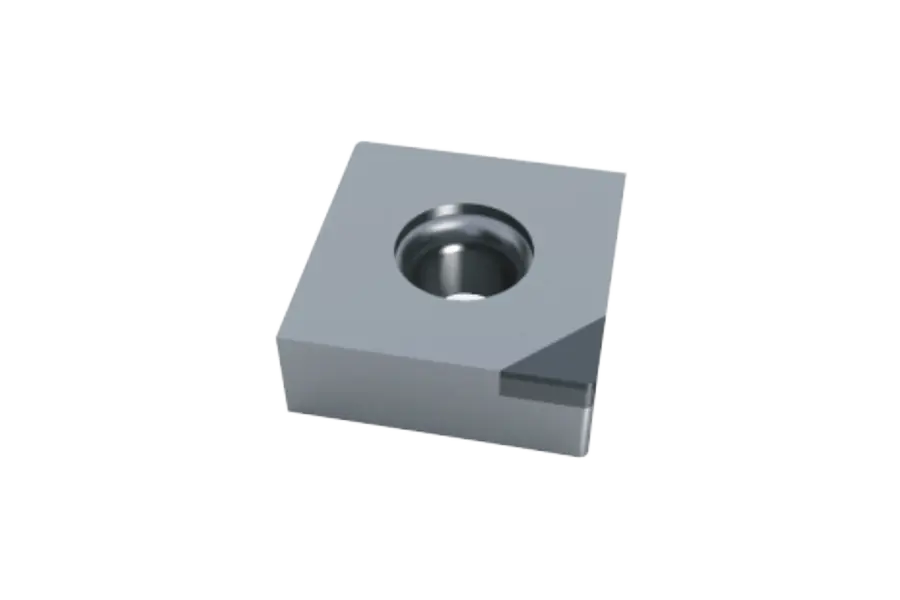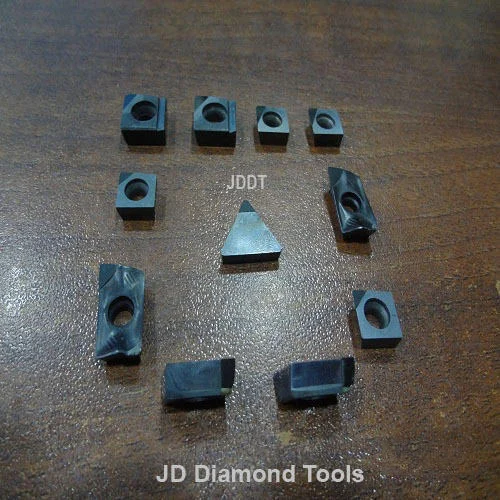
PCD Cutting Tools
We present to our clients an excellent array of PCD Cutting Tools. Available according to the specifications stated by our clients. These PCD Cutting Tools are used for the following grooving applications: Grooving & under cutting Turning & Grooving for external & internal Profiling for external & internal turning. Specification: Color: Black Shape: Customized Application: well drilling
Order NowFor Customization
Product Details
PCD
Cutting Tools
Definition:
PCD cutting tools are high-performance tools that feature a layer of
polycrystalline diamond bonded to a carbide or steel substrate. These tools are
known for their exceptional hardness and wear resistance, making them ideal for
machining abrasive materials.
Key Features:
- Material Composition:
PCD consists of diamond particles bonded together with a metal binder
under high pressure and temperature. This results in a material with
hardness values typically around 8,000 to 9,000 HV (Vickers hardness) .
- Applications:
PCD tools are commonly used for machining non-ferrous metals such as
aluminum, copper, brass, and composites. They are particularly effective
in industries like automotive, aerospace, and electronics.
- Advantages:
- Extended Tool Life: PCD tools offer exceptional wear resistance, leading
to longer tool life compared to conventional cutting tool materials such
as carbide or high-speed steel (HSS).
- Superior Surface Finish: The sharpness of PCD cutting tools results in
excellent surface finishes on machined parts, reducing the need for
secondary polishing or finishing processes.
- Increased Cutting Speeds: PCD's hardness and wear resistance enable faster
cutting speeds and higher feed rates, significantly improving work
efficiency and productivity.
- Cost-Effectiveness: Although PCD cutting tools come with a higher upfront
cost, their impressive tool life and improved work efficiency can
compensate for the initial investment, making them a cost-effective
solution in the long run. Limitations:
- Not suitable for machining ferrous materials due to the
potential for chemical reactions between PCD and iron.
- Brazed joints may be susceptible to thermal fatigue
under certain conditions.
PCD Cutting Tools: Frequently Asked Questions (FAQ)
1. What are PCD Cutting Tools?
PCD Cutting Tools are high-performance tools made from Polycrystalline Diamond, a synthetic diamond material produced by sintering diamond particles with a metal binder under high pressure and temperature. These tools offer exceptional hardness and wear resistance, making them ideal for machining abrasive materials.
2. What materials can be machined with PCD Cutting Tools?
PCD Cutting Tools are suitable for machining:
-
Aluminum and its alloys
-
Brass and copper
-
Plastics and composites
-
Carbon fiber
-
Graphite
-
Reinforced plastics
-
Wood and wood-based materials
-
Fiber Reinforced Plastics (FRP)
-
Tungsten carbide
These materials benefit from PCD's high wear resistance and thermal conductivity.
3. What are the advantages of using PCD Cutting Tools?
-
Exceptional Wear Resistance: PCD's hardness allows for extended tool life, reducing the frequency of tool changes.
-
High Cutting Speeds: Enables faster machining processes, increasing productivity.
-
Superior Surface Finish: Produces high-quality surface finishes, essential for precision components.
-
Thermal Stability: PCD maintains performance at elevated temperatures, suitable for high-speed machining.
-
Reduced Downtime: Fewer tool changes and longer continuous operation.
4. Are there any limitations to PCD Cutting Tools?
Yes, while PCD Cutting Tools offer numerous advantages, they have limitations:
-
Brittleness: PCD is more brittle compared to other materials, making it susceptible to chipping under certain conditions.
-
Cost: PCD Cutting Tools are generally more expensive than carbide tools.
-
Not Suitable for Ferrous Materials: PCD is not recommended for machining ferrous materials like steel due to chemical reactivity.
5. How do I choose the right PCD Cutting Tool?
Consider the following factors:
-
Material Type: Ensure compatibility between the tool and the workpiece material.
-
Tool Geometry: Select the appropriate tool shape and size for the specific machining operation.
-
Grade Selection: Choose a PCD grade that matches the machining conditions and desired surface finish.
-
Machine Capabilities: Verify that your machine can handle the cutting speeds and feeds associated with PCD machining.
6. What are the common types of PCD Cutting Tools?
Common PCD Cutting Tools include:
-
PCD End Mills: Ideal for side milling, slot milling, and profile milling of non-ferrous materials.
-
PCD Drills: Perfect for high-precision hole-making in composite materials and aluminum alloys.
-
PCD Inserts: Best for high-volume production and consistent surface finish requirements.
-
PCD Reamers: Used for precision hole finishing.
-
PCD Boring Bars: Designed for internal machining operations.
7. How do I maintain PCD Cutting Tools?
To prolong the life of PCD Cutting Tools:
-
Avoid Impact Loads: Prevent sudden impacts that can cause chipping.
-
Proper Tool Setup: Ensure correct alignment and secure clamping to minimize vibrations.
-
Use Appropriate Cutting Parameters: Adhere to recommended cutting speeds and feeds to prevent excessive wear.
-
Regular Inspection: Monitor tools for signs of wear or damage and replace as necessary.
8. Can PCD Cutting Tools be reconditioned?
Yes, PCD Cutting Tools can be reconditioned by skilled professionals. Reconditioning involves reshaping the tool's cutting edge to restore its performance. This process can be cost-effective, especially for high-quality tools.
9. What are the safety considerations when using PCD Cutting Tools?
When using PCD Cutting Tools:
-
Wear Protective Gear: Use safety glasses and gloves to protect against debris.
-
Proper Handling: Handle tools carefully to prevent damage to the cutting edges.
-
Machine Safety: Ensure all machine safety features are operational and follow standard operating procedures.
-
Training: Ensure operators are trained in the specific requirements of using PCD tools.
10. Where can I purchase PCD Cutting Tools?
PCD Cutting Tools are available through various channels:
-
Authorized Distributors: Many manufacturers have authorized distributors who stock their products.
-
Online Marketplaces: Platforms like Amazon and specialized industrial marketplaces offer a range of PCD Cutting Tools.
-
Direct from Manufacturers: Some manufacturers sell directly to customers through their websites.
Customer Ratings
5.0/5
Based on 2 reviews
Customization product
I’ve been using this product for several months now, and it stands out as one of the best tools for customization in manufacturing. Whether you're working with metal, plastic, or composites, this tool adapts easily to different workflows and materials. Highly recommended for teams looking for precision, efficiency, and customization all in one.