PCD thread milling tools (SM301)
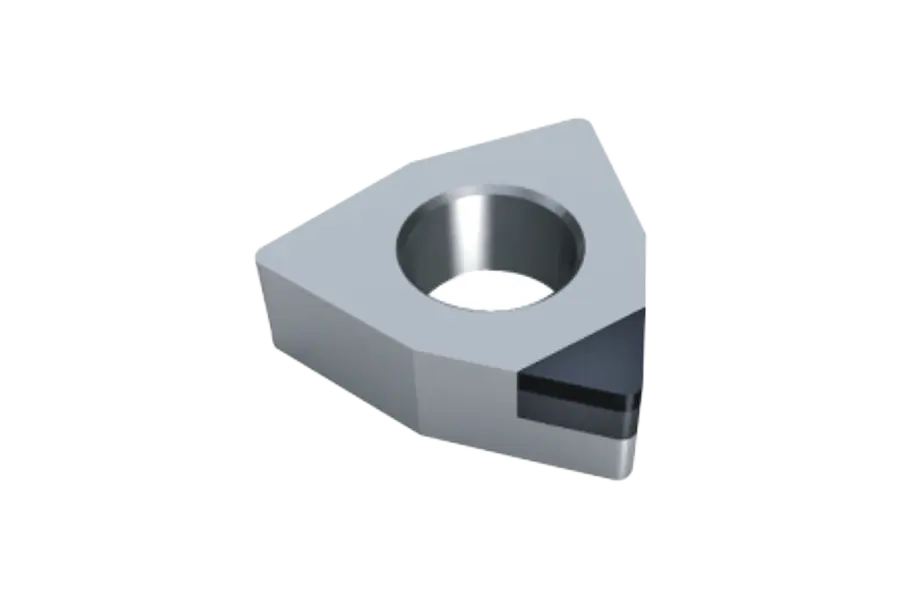
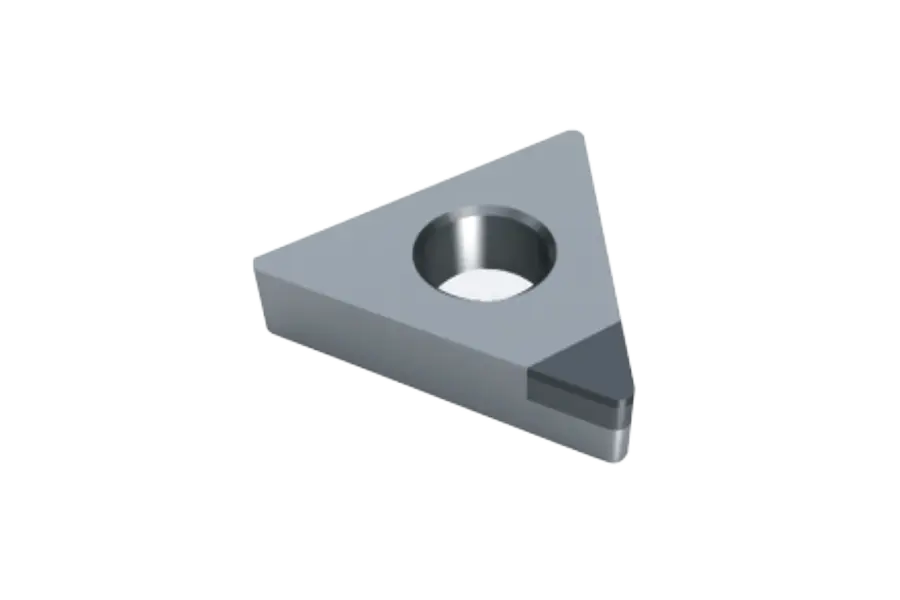
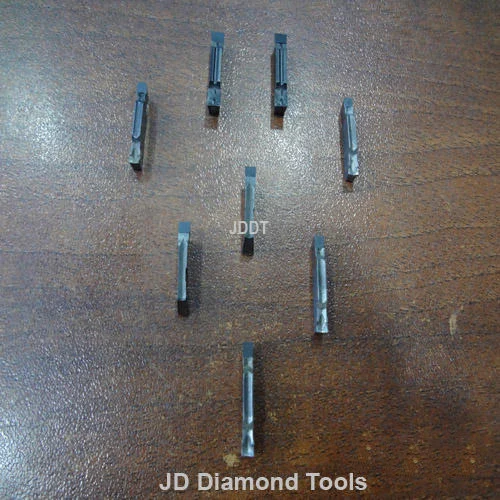
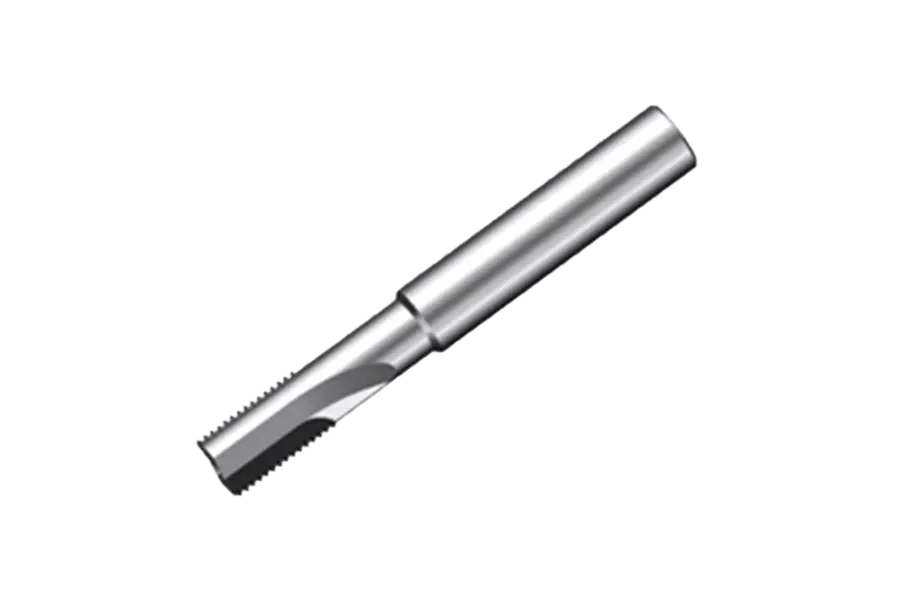
The SM301 PCD Thread Milling Tool is a precision thread-milling cutter engineered for high-performance machining of threads in challenging materials. It utilises a PCD (polycrystalline diamond) cutting face (or brazed PCD segments) combined with a robust body/substrate (e.g., carbide or steel) to obtain exceptional wear resistance, low tool-wear, and high dimensional accuracy of thread profiles. Thread milling, rather than tapping, means the tool moves in a helical or circular path around or into the hole, cutting the thread profile. The PCD version is particularly suited for abrasive, non-ferrous, or composite materials where conventional tools wear rapidly. For example, one manufacturer of PCD thread-mills claims “10 × tool life compared to carbide tools” for abrasive materials. The SM301 would typically be specified for a particular thread form (e.g., M, UN, ACME, BSP), pitch, diameter range, and cutting direction (RH/LH). It will often be offered with a “solid PCD” or “braised PCD insert” design, optimized geometry (flutes, chip evacuation), and possibly internal coolant provisions.
Order NowFor Customization
Product Details
Key
Features
- PCD cutting edge/substrate
Offers extremely high wear resistance in abrasive or composite materials (e.g., aluminium + SiCp, graphite / CFRP, titanium alloys). - Precision thread-form geometry
The tool is ground or formed to deliver the required thread flank angle, pitch, crest/root dimensions, and class of fit, maintaining high accuracy even under high wear loads. - Versatility: internal/external, RH/LH threads
Thread-milling tools allow internal or external threads and can often be programmed for right-hand or left-hand threads with the same geometry. - Reduced tool engagement / lower cutting forces
Because thread milling has lower full-circumference engagement compared to conventional taps, it reduces forces and risk of workpiece distortion. - Long tool life & improved productivity
Thanks to PCD’s durability, fewer tool changes, less downtime, and higher consistency of thread quality are possible in demanding materials. - Coolant / chip-evacuation features
For high-precision threading and long tool life, the tool may include internal coolant holes or optimized flute geometry to evacuate chips cleanly. - High-surface-finish capability
In applications where thread surface finish and fatigue behaviour matter (e.g., aerospace fasteners), PCD tools help maintain consistent surface integrity. - Customizable / special-size options
While standard sizes exist, PCD thread mills are often available in custom diameters, pitches, or special tool lengths for niche applications. - Suitability for composite and non-ferrous materials
The tool excels in materials like aluminium, brass, plastics, composites, and lightweight alloys, where traditional taps or carbides struggle. - Reduced scrap and rework
By delivering consistent thread quality, minimal tool wobble, better control, and long life, the tool helps reduce scrap and secondary operations.
Customer Ratings
5.0/5
Based on 2 reviews
Customization product
I’ve been using this product for several months now, and it stands out as one of the best tools for customization in manufacturing. Whether you're working with metal, plastic, or composites, this tool adapts easily to different workflows and materials. Highly recommended for teams looking for precision, efficiency, and customization all in one.
Frequently Asked Questions
Q1: Why choose a PCD thread-milling
tool instead of a carbide tap or carbide thread mill?
A1: PCD offers much higher wear resistance, especially in abrasive or
composite materials. Thread milling also lowers cutting forces, allows
internal/external, RH/LH threads, and is more flexible for deep or blind holes.
Q2: What types of materials can it
machine effectively?
A2: Ideal for non-ferrous metals (aluminium, brass, copper), composites
(CFRP, GFRP), abrasive materials (aluminium with Si, graphite), and lighter
alloys. PCD on ferrous alloys is less typical due to chemical affinity of
diamond to iron at high temps.
Q3: What are the limitations or
things to watch out for?
A3: – More expensive tool cost initially.
– Requires CNC control and proper programming (thread-milling toolpath) rather
than simple tapping.
– Diamond/PCD is not ideal for high-temperature ferrous machining (e.g.,
steels, stainless) unless special coatings or substrates are used.
– Chip evacuation must be good to avoid tool damage or thread defects.
Q4: How does the tool path for
thread milling differ from tapping?
A4: Thread milling uses a smaller diameter cutter that moves in a
circular/helical path while gradually moving in the Z-axis. Each tooth cuts the
thread gradually rather than tapping straight in.
Q5: What are key parameters to set
when using this tool?
A5: Important parameters include: spindle speed, feed (axial and
radial), depth of cut per pass, radial engagement, number of passes
(vertical/helical), coolant volume/pressure, tool entry/exit strategy. Also,
ensure workpiece is rigidly clamped, and machine is accurately aligned.
Q6: Can the same tool do both
internal and external threads?
A6: Yes — thread-milling tools often can be used for internal and
external threads and both RH and LH threads, making them more flexible than
dedicated taps.
Q7: How does tool life compare with
carbide tools?
A7: In abrasive or composite materials, PCD tools can offer
significantly longer life — some manufacturers claim up to 10× tool life vs
carbide in certain conditions. However, actual life depends on material,
coolant, chip evacuation, machine rigidity, tool path, and condition of flutes.
Q8: What are typical applications
where this tool really pays off?
A8: – High abrasion materials (aluminium + Si, graphite/GFRP).
– Large diameter or deep blind holes where taps may break or fail.
– Non-ferrous or composite structural parts in aerospace or automotive.
– High-volume or high-precision production where tool change downtime is
costly.
– Repair or re-thread operations in expensive parts.
Q9: How do I maintain/inspect the
tool for wear?
A9: Check the PCD edge for rounding/chipping, examine the thread profile
accuracy in produced holes, monitor surface finish of the threads, ensure
coolant/evacuation is working, inspect tool holder/run-out, and monitor for any
increased cutting forces or chatter. Replace tool or re-condition when thread
quality starts to degrade or when tool wear rises beyond acceptable limits.
Q10: What key questions should I ask
the tool vendor/manufacturer?
A10:
- What thread forms (pitch, diameter range, flank angle)
does the SM301 cover?
- Is the tool solid PCD, or brazed PCD segment? What
substrate?
- What are recommended speeds, feeds, coolant
type/pressure, and chip-evacuation strategy for my material?
- Which materials are bona-fide supported (and which are
not)?
- What internal coolant or through-tool cooling options
exist?
- What supply of spare/re-conditioned tools is available?
- What are the tolerances of the thread-form that the
tool guarantees (e.g., class 6H/6g)?
- What are the tool life expectations under my
material/volume conditions?
- Are there special toolpath recommendations or sample NC
programs for use in our machine/fixture setup?