Taper dresser
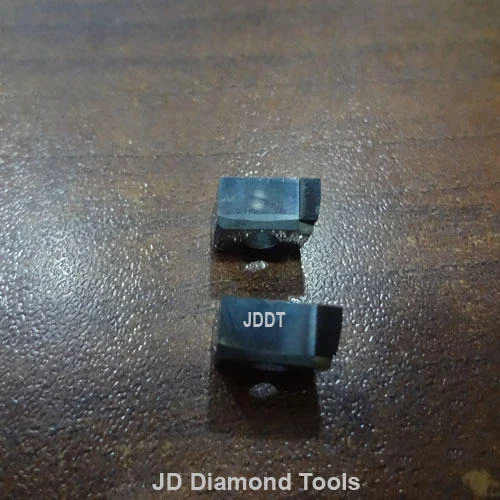
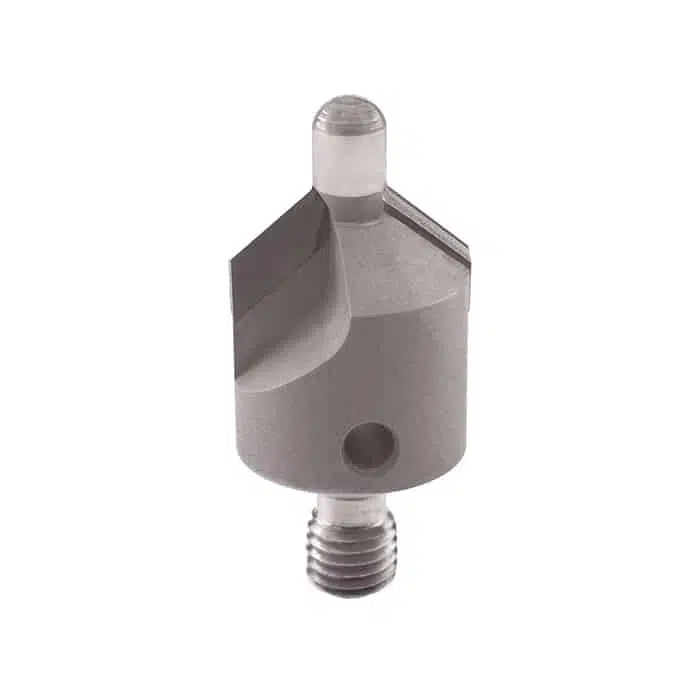
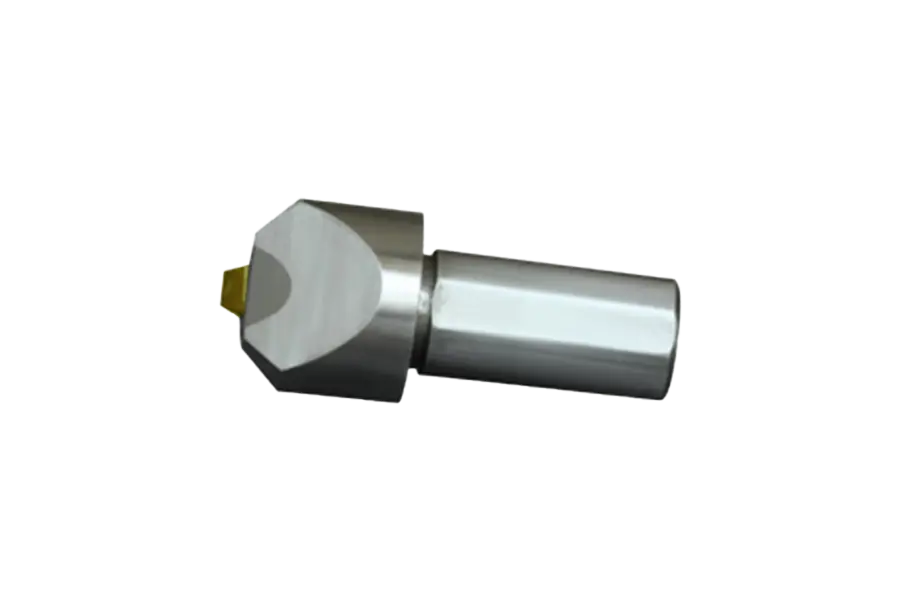
A taper dresser is a type of grinding-wheel dressing tool used to restore, true, or profile the surface of an abrasive grinding wheel (or wheel pack) by means of a conical/tapered or angular diamond or CBN-bonded element. The term "taper" in this context refers to the conical/truncated-cone shape of the dresser’s contact surface which matches, trims or forms a matching taper/angle in the wheel or removes material to keep the wheel shape correct. For example, one manufacturer describes a “Tapered Dresser take advantage of the extremely high hardness of diamonds for general sharpening, trimming, shaping and thinning of … grinding wheels.” In operation, the taper dresser is held (manually or mounted) against the rotating grinding wheel, cutting away worn abrasive grains, exposing fresh cutting surface, restoring the shape (taper) and/or generating a specific form (angle, profile) so that the wheel performs optimally. In the “How to choose…” guide, taper dressers are listed under the category of form-dressing tools used for precision profile grinding. In short: you use a taper dresser to keep your grinding wheel in top shape: correct form, correct angle, proper sharpness, minimal loading, consistent performance.
Order NowFor Customization
Product Details
Key Features
Here are the primary features to look for in a taper dresser:
· Diamond/CBN cutting element: The dressing surface is often natural or synthetic diamond (or CBN) because of the hardness required to cut abrasive wheel material.
· Taper/conical shape of the dresser: A tapered/truncated-cone shape allows the dresser to interact with the wheel surface at an angle or profile, and can dress internal/external arcs, form bevels, etc.
· Form/angle control: The dresser must have the correct taper angle, clearance, radius or profile shape so that the wheel after dressing has the correct geometry (for example for profile grinding, gear grinding).
· High precision manufacturing: To ensure that the wheel is dressed to the exact geometry and is concentric/true, the dresser must itself be accurately made. For instance: “Each … dresser shank are tailored to meet your specifications. … each of the single point diamond dresser shanks are tailored.”
· Durability & tool life: Good dressers are made with durable bonds, high-quality diamonds, proper mounting so they last through many wheel dressings without degrading, which in turn improves productivity.
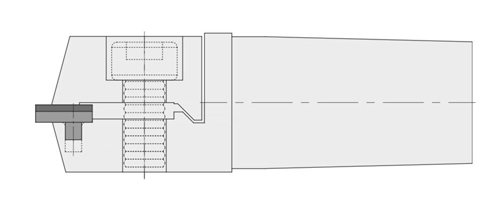
· Rigid mounting / minimal overhang: Proper mounting ensures that the dresser does not vibrate or deflect which would degrade the wheel geometry. As one maker notes: “The correct way to mount the dressing tool is to put it at minimum overhang to avoid vibration and never mount in an oversized hole.”
· Compatibility with machine/fixture: The dresser must fit the machine’s dresser holder or spindle, must have the correct shank/holder dimension, and must be suitable for the wheel type, machine configuration, and volume of production.
· Suitability for production vs single tool operations: Some dressers are for simple truing; others (form or taper dressers) are for generating specific geometry or profile and are used in production or precision tooling contexts.
· Safe & efficient use: The dressing operation must observe correct speeds, feeds, coolant/lubrication, and tool condition (e.g., fresh diamond exposure) so that wheel performance is maintained. For instance: “New dressers need to be ground 3-5 times … to expose the diamond portion.”
· Cost-effectiveness: By maintaining wheel geometry, reducing wheel change/maintenance, and improving grinding consistency, a good taper dresser contributes to lower cost per part, better finish and reduced scrap.
Customer Ratings
5.0/5
Based on 2 reviews
Customization product
I’ve been using this product for several months now, and it stands out as one of the best tools for customization in manufacturing. Whether you're working with metal, plastic, or composites, this tool adapts easily to different workflows and materials. Highly recommended for teams looking for precision, efficiency, and customization all in one.
Frequently Asked Questions
Q1: What is the difference between a taper dresser and a standard
straight dresser?
A1: A standard dresser might be a straight diamond plate,
single-point dresser, or star dresser intended simply to true the wheel’s face
or restore flatness. A taper dresser specifically
has a conical/tapered shape (or is used to create/maintain a taper) and is used
when the wheel requires a tapered/truncated-cone form or when dressing
internal/external arcs. For example, a manufacturer categorises “Taper Dresser”
under form dressing internal/external arcs.
Q2: When should I use a taper dresser?
A2: Use it when:
· The grinding wheel must have a specific taper or angle profile (not just flat).
· You are grinding tapered parts or features and the wheel must match that taper.
· The wheel has worn into an incorrect form and needs restoration of taper.
· The grinding process demands high precision of wheel geometry (angle, form, radius) for consistent results.
· Regular flat dressing is insufficient to maintain required taper/angle in the wheel.
Q3: How do I select the correct taper dresser?
A3: Consider:
· What taper/angle or profile you need the wheel to have.
· Wheel diameter, width, bond type, abrasive type.
· Machine type and mounting (shank size, holder) of the dresser.
· Material of the dresser (diamond/CBN grade, bond type).
· Production volume and frequency of dressing (which affects durability).
· The precision requirement (surface finish, tolerance on taper).
· Cooling/lubrication conditions of your grinding process.
·
Whether the dresser is manual or automated.
Suppliers will require your wheel profile, taper angle, form drawing, machine
specs. For example: “The best solutions … determine the tool profile for each
application.”
Q4: What are typical dressing parameters or practices for taper
dressers?
A4: While exact parameters vary by wheel/grinding machine,
best practices include:
· Use minimum overhang of the dresser shank to reduce vibration.
· Start with light dressing removal to expose fresh diamonds (new dresser may require some conditioning).
· Use appropriate feed rate and depth of cut in the dresser to avoid excessive wear or heat damage.
· Use coolant if required (or dry if specified) but avoid thermal shock (especially for diamond tools). For example, “Be careful not to turn the coolant on if the dressing cycle started to dry as the thermal shock may fracture the diamond.”
· Dress with consistent contact, stable mounting, and correct alignment of the dresser to the wheel axis.
· Monitor dressing tool wear, wheel geometry, surface finish of grinding operation and schedule replacement/reconditioning accordingly.
Q5: What are the signs that I need to dress my grinding wheel with a
taper dresser?
A5: Indicators include:
· Poor surface finish on the work-piece.
· Increased grinding forces or vibration.
· The wheel is visibly out of shape (taper angle drifted, wheel out-of-round, glazed surface).
· Inability to maintain the required taper/profile in the part being ground.
·
Increase in wheel loading (clogging) or burn
marks on parts.
If the wheel is supposed to have a specific tapered profile and it’s no longer
cutting as intended, a taper dresser is needed.
Q6: How long does a taper dresser last, and when should I replace it
or recondition it?
A6: The life of the dresser depends on frequency of use, depth
of dressing, wheel bond and abrasive type, machine conditions (rigidity,
vibration), and dresser quality. Indicators for replacement/recondition
include:
· Diminished dressing performance (takes longer, poorer result).
· Wear of diamond/CBN and visible degradation of dressing surface.
· The dresser no longer produces the required angle/profile reliably.
·
If the dresser gets chipped, fractured or loses
bond integrity.
Many suppliers recommend grinding or conditioning a new dresser a few times to
expose the diamond and stabilize performance.
Q7: Can a taper dresser be used for both internal and external wheel
forms?
A7: Yes, many taper/form dressers are designed for both
internal and external arc or tapered wheel forms. For example, one source lists
“form dressing of internal and external arcs” as applicable for taper dressers.
You have to ensure the dresser geometry matches the wheel form and machine
set-up accordingly.
Q8: What are the advantages of using a good taper dresser in
grinding operations?
A8: Advantages include:
· Restoring/maintaining correct wheel geometry (angle, taper, form).
· Improving wheel surface condition (exposing fresh cutting grains) and therefore better grinding performance, surface finish and consistency.
· Reducing grind time, scrap, vibration and wheel changeouts.
· Enabling complex wheel forms which match part geometry (for example tapered parts).
· Extending wheel life by proper conditioning, reducing downtime and improving productivity.
· Ensuring safety: correct wheel profiles reduce vibration/balance issues.
Q9: What limitations or considerations should I keep in mind when
using taper dressers?
A9: Considerations include:
· Higher cost and complexity compared to simple dressers if you need specific taper/profile geometry.
· The machine must have suitable rigidity and set-up to exploit the dresser’s precision (poor machine alignment/vibration will wipe out the benefit).
· Mounting/overhang must be controlled—excessive overhang causes vibration, poor wheel form.
· Dressing generates wear on the dresser; incorrect use can damage the diamond or degrade geometry.
· For very small wheels or very tight taper angles, accessible mounting may be difficult.
· Coolant/thermal issues: especially with diamond dressers, thermal shock can damage tool if coolant is turned on/off improperly.
· The benefit is most apparent in precision/high-volume applications; for occasional simple wheel dressing the cost may not justify the investment.
Q10: How do I choose between different dresser types (taper,
profile, single-point, roller etc)?
A10: Your choice depends on:
· The wheel type (size, bond, abrasive, shape).
· The final part geometry (does the grinding wheel need a specific taper/profile?).
· The production volume (high volume vs occasional).
· Machine/fixture capability (can the dresser be mounted, what access is available).
· Cost vs benefit (investment in a precise taper dresser may pay off for long runs).
·
Material being ground and precision requirements
(tight tolerances/finish may require high-precision dresser).
For example, a “profile dresser” is used for exact gear wheel forms and is more
complex than a simple taper dresser.