PCD End Mills
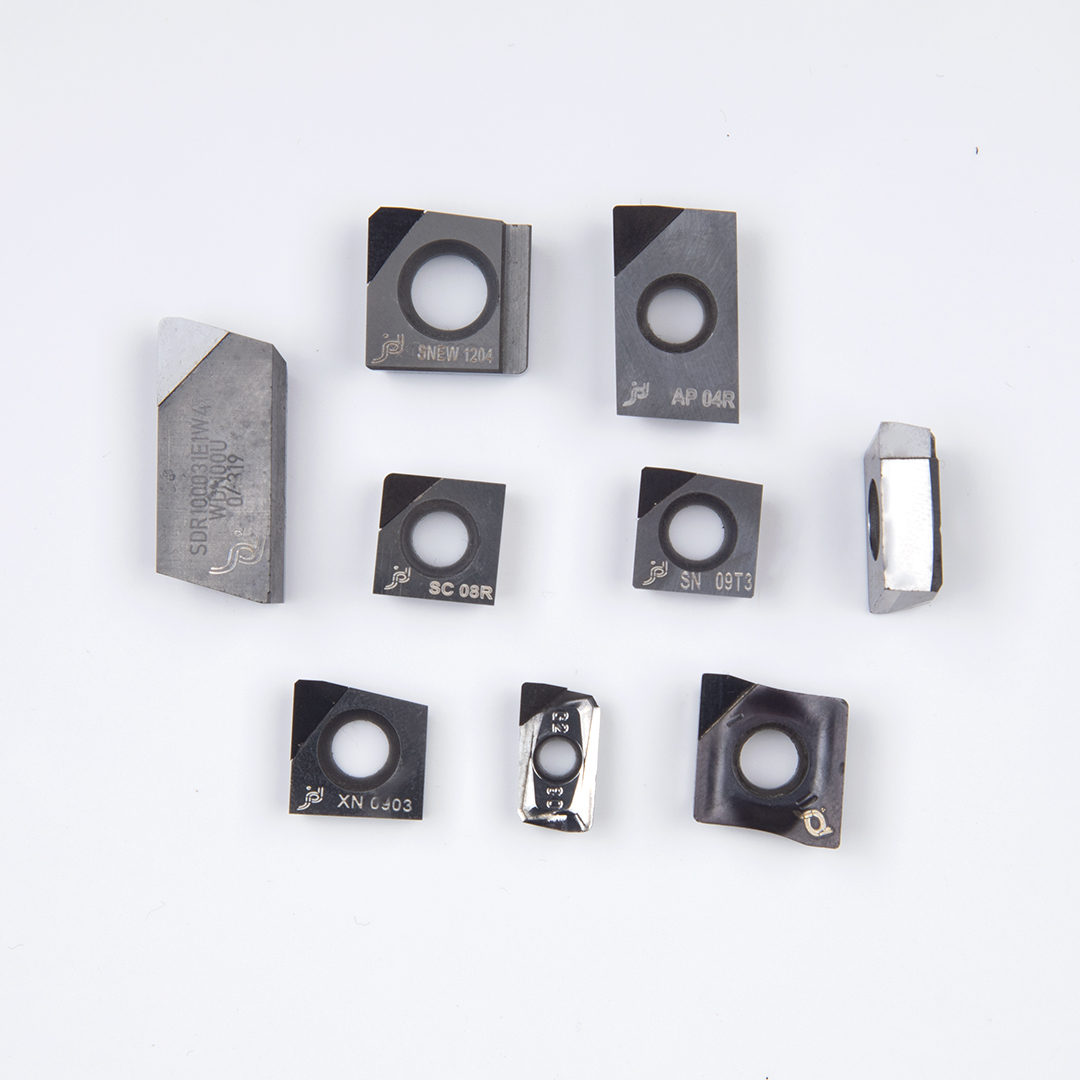
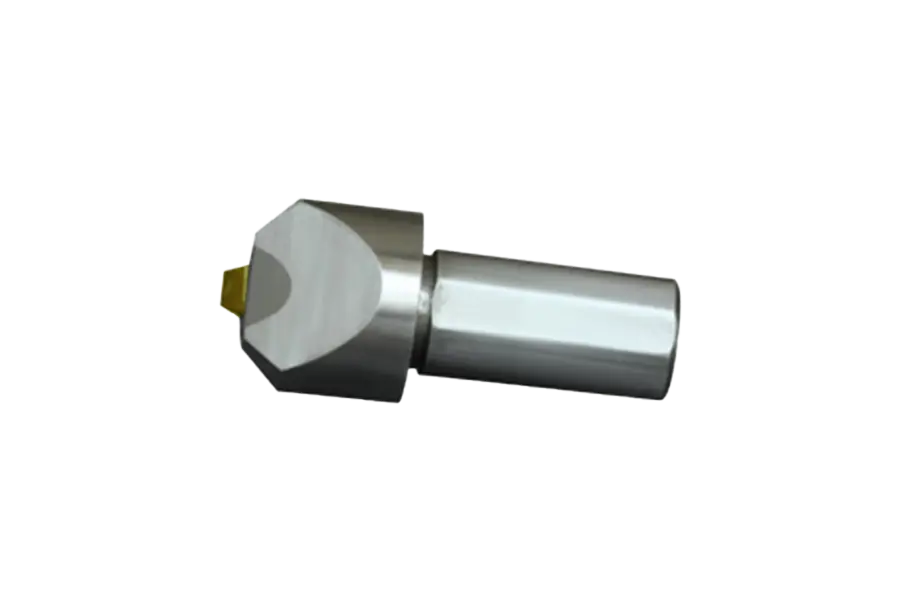
Owing to our robust manufacturing unit, we have been able to offer a quality proven spectrum of PCD Boring Bite. These tools are suitable for the machine parts, which have complicated holes requiring ultra-precision. The use of these products ensure one step cutting rather than several times of drilling and reaming with diverse tooling. In addition to this, these tools are known for the following features: High efficiency Low cost Higher speed & feed rates The PCD tipped shaped tools decrease downtime
Order NowFor Customization
Product Details
PCD
End Mills – Overview
????
What Are PCD End Mills?
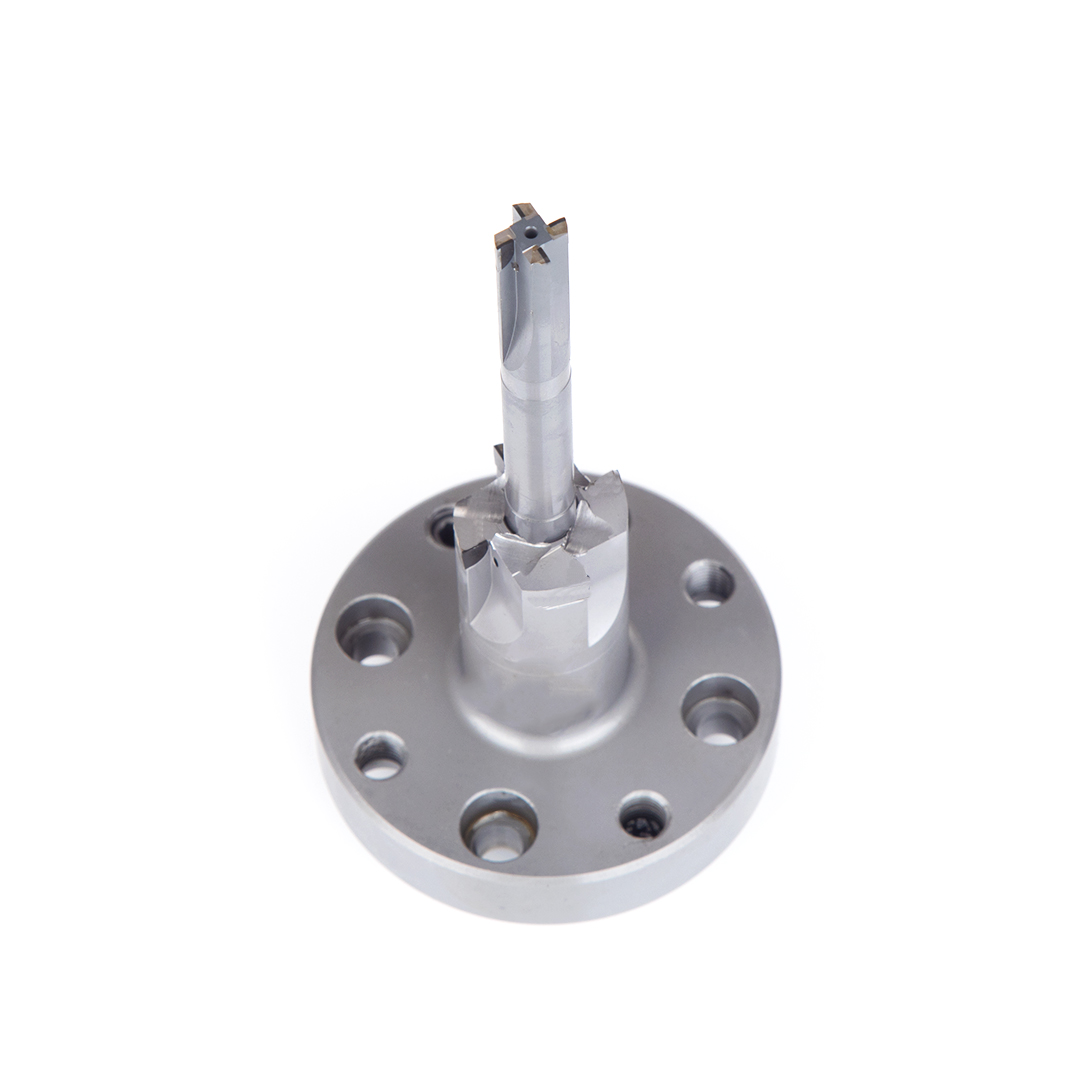
PCD end mills are solid or tipped cutting tools made with Polycrystalline
Diamond (PCD) cutting edges. They are used in high-precision milling
applications involving non-ferrous metals, composites, and abrasive
materials where extended tool life and superior surface finish are
essential.
????
Key Features:
|
Feature |
Description |
|
Material |
Cutting edges made of PCD; body is
carbide or steel |
|
Flute Count |
Typically 2 or 3 flutes for
non-ferrous materials |
|
Types |
Ball nose, flat end, corner
radius, and form tools |
|
Cutting Edge |
Extremely sharp and wear-resistant |
|
Sizes |
Available in diameters from 0.2 mm
to over 20 mm |
|
Cooling |
Typically used dry or with MQL
(Minimum Quantity Lubrication) |
????
Best Suited For:
- Aluminum (especially with high Si content)
- Copper, Brass, Magnesium
- Carbon Fiber (CFRP) and Glass Fiber (GFRP)
- Graphite
- Plastic and Thermoset Composites
✅
Advantages of PCD End Mills
- Exceptional tool life
(often 10–100x longer than carbide)
- Superior surface finish
- Reduced tool changes and downtime
- Higher feed rates and spindle speeds
- Less built-up edge
on sticky materials like aluminum
❓
PCD End Mills – FAQ (Top 10 Questions)
1.
What materials are PCD end mills best for?
Non-ferrous materials like aluminum
alloys, copper, magnesium, and composites (CFRP, GFRP,
plastics).
2.
Can PCD end mills be used on steel or ferrous materials?
No. PCD is not suitable for steel—it
reacts with iron under heat and degrades rapidly.
3.
What is the difference between solid PCD and PCD-tipped end mills?
- Solid PCD:
Entire cutting edge is PCD—better for very fine work and long tool life.
- PCD-tipped:
PCD brazed onto a carbide body—more common and cost-effective.
4.
Can PCD end mills be resharpened?
Yes, but only by specialists with EDM
or laser grinding machines. Reconditioning can extend tool life further.
5.
Do PCD end mills need coolant?
Usually not—they're often run
dry. However, MQL or air blast can be used for chip removal and
thermal control.
6.
How do I choose the right flute count?
- 2-flute:
For high chip evacuation (aluminum, plastics)
- 3-flute:
For higher feed rates or improved stability
- Ball nose or radius tips: For 3D milling or contouring
7.
Are PCD end mills worth the cost?
Yes. Despite the higher upfront
cost, they offer dramatically longer tool life and reduce costs in high-volume
or high-precision production.
8.
What machine requirements are needed for PCD end mills?
Use on rigid CNC machines
with precise control. High spindle speed and minimal vibration are important
for optimal performance.
9.
What are typical applications for PCD end mills?
- Machining automotive parts like engine blocks or
transmission cases
- Aerospace components
made from composites
- Graphite electrode milling for EDM applications
- Plastic molds
and electronic housings mills
10.
What cutting speeds are recommended for PCD end?
- Aluminum:
800–3,000 m/min
- Composites:
200–600 m/min
- Plastics:
100–300 m/min
(Always adjust based on the tool, machine, and material)
Customer Ratings
5.0/5
Based on 2 reviews
Customization product
I’ve been using this product for several months now, and it stands out as one of the best tools for customization in manufacturing. Whether you're working with metal, plastic, or composites, this tool adapts easily to different workflows and materials. Highly recommended for teams looking for precision, efficiency, and customization all in one.